

HITS-SIMPLAIX Joint Colloquium Yuji Sugita – How Can Protein Droplets Be Dissolved?
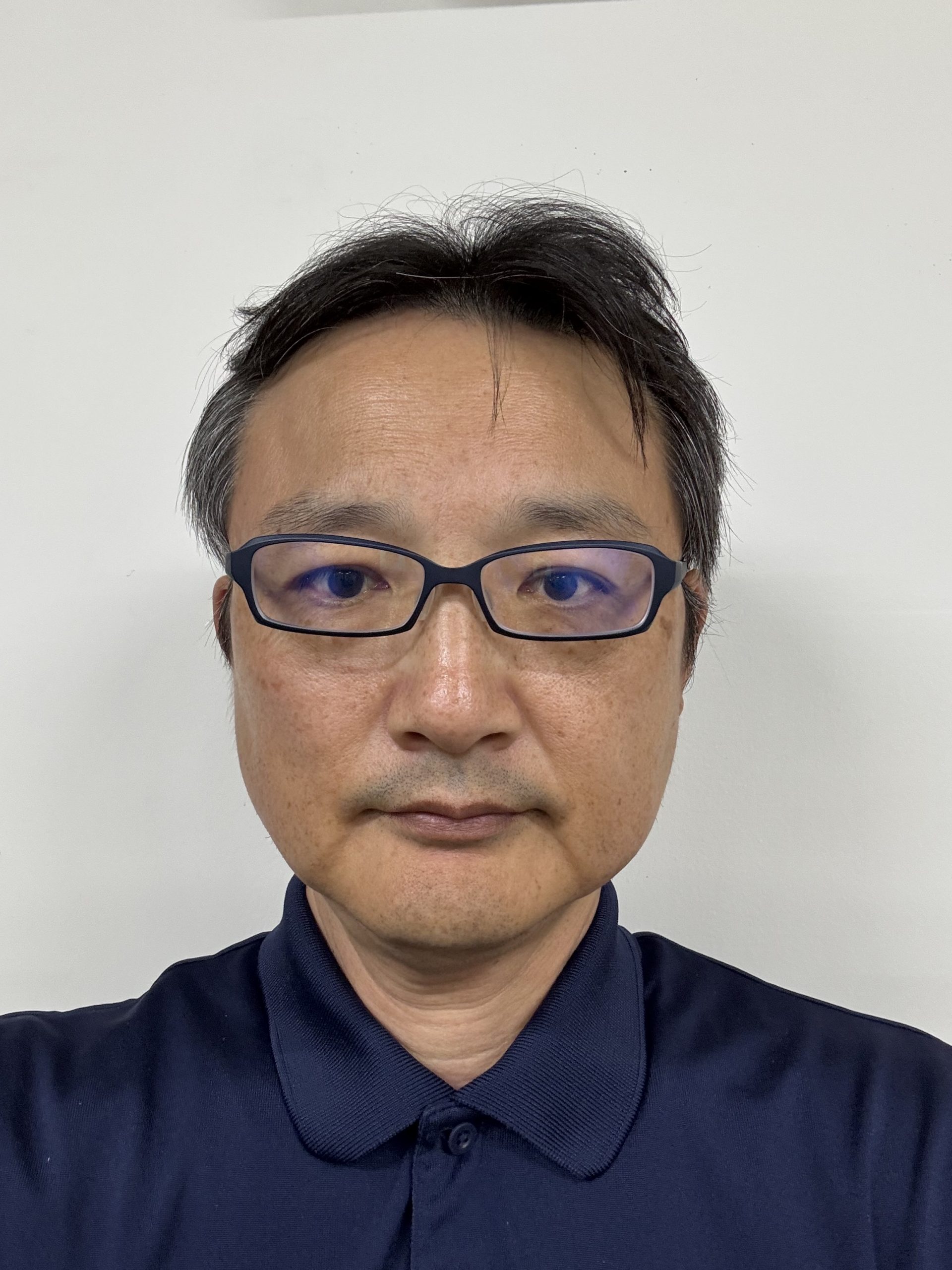
by Yuji Sugita
RIKEN Center for Computational Science
RIKEN Pioneering Research Institute
Department of Physics, The University of Tokyo
For a CV, click here.
It is well known that bimolecular droplets formed by liquid-liquid phase separation (LLPS) play a crucial role in understanding cellular biological processes and elucidating molecular mechanisms underlying several diseases. Consequently, there has been active research using computational simulations, including molecular dynamics (MD), to understand droplet formation and dynamic properties of intrinsically disordered proteins and RNA within droplets. However, how these droplets dissolve in cells remains unresolved. We are attempting to understand the mechanism by which Hero proteins—highly charged, intrinsically disordered proteins—dissolve specific droplets formed by their client proteins. It is known experimentally that Hero11 targets droplets composed of TDP-43, while Hero9 targets droplets composed of PolyQ. We used multiscale MD simulations to investigate in detail the molecular mechanisms underlying droplet dissolution by these two Hero proteins. The mechanisms we identified through these calculations differ significantly, suggesting the existence of sequence-dependent droplet dissolution mechanisms.
We also discuss multi-scale simulations connecting coarse-grained and atomistic models through a machine learning Backmapping tool, CGback. This tool is a generative AI model that rebuilds atomistic structures from Cα coordinates. Using CGback, CG-model structures of protein droplets are easily transformed to atomistic coordinates without chirality errors, steric clashes with other proteins.
REGISTRATION:
 powered by Borlabs Cookie